

Achieving Serenity Through Mindfulness Techniques

Finding peace in our busy lives can sometimes feel like chasing a distant dream. Yet, with gentle mindfulness techniques, you can create moments of calm and clarity that nurture your well-being. I want to share with you some simple, practical ways to invite serenity into your daily routine. These approaches are especially supportive for those navigating the complexities of mental health, whether you’re on your own or sharing your journey with loved ones.
Embracing Mindfulness Techniques in Everyday Life
Mindfulness serenity techniques are about tuning into the present moment with kindness and curiosity. It’s not about emptying your mind or forcing calm but rather about observing your thoughts and feelings without judgment. When you practice this regularly, you build a foundation of inner peace that helps you respond to stress with greater ease.

Here are some techniques you might find helpful:
Breath Awareness: Take a few minutes each day to focus solely on your breathing. Notice the sensation of air entering and leaving your body. If your mind wanders, gently bring it back to your breath.
Body Scan: Slowly move your attention through your body, from your toes to your head. Notice any areas of tension or discomfort and breathe into them.
Mindful Walking: When you walk, pay attention to the feeling of your feet touching the ground, the rhythm of your steps, and the sounds around you.
Gratitude Practice: Each day, reflect on three things you’re grateful for. This simple habit shifts your focus toward positivity and contentment.
These techniques are accessible and can be adapted to fit your lifestyle. You don’t need special equipment or a quiet room—just a willingness to be present.

Creating a Mindful Space for Serenity
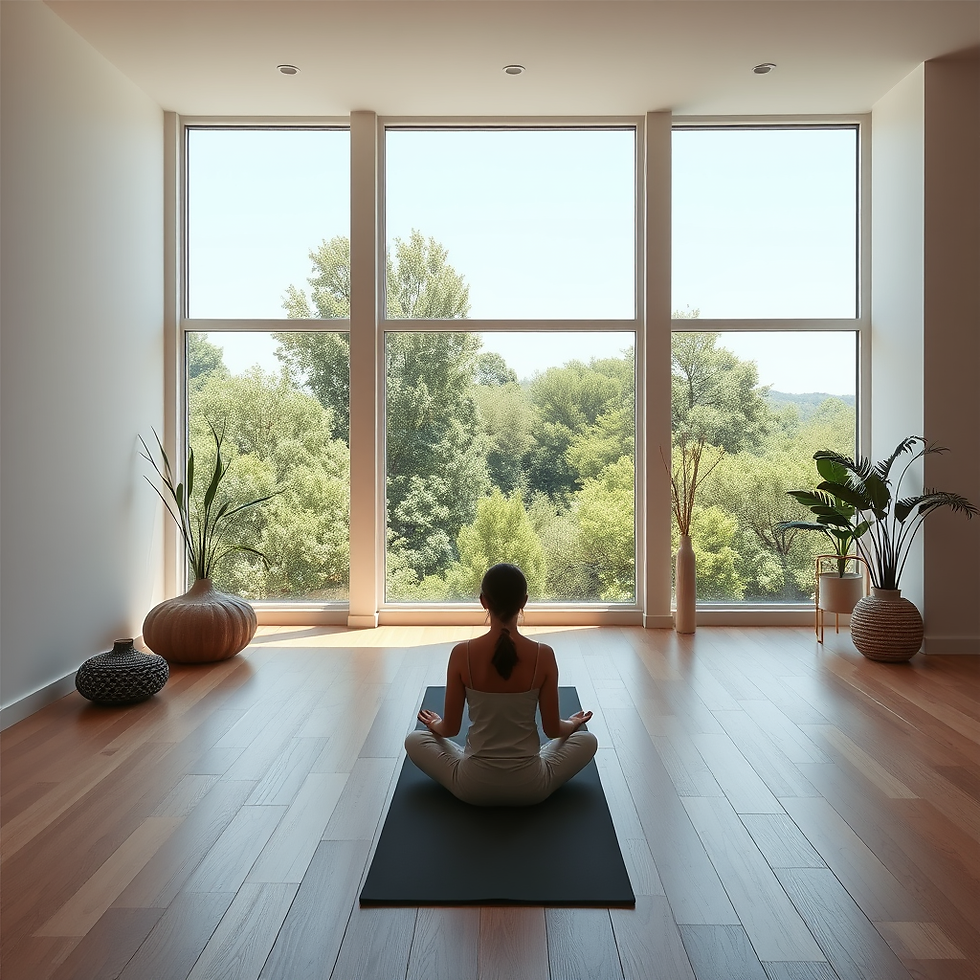
Your environment plays a big role in how easily you can access calm. Creating a mindful space at home or work can support your practice and invite serenity into your day.
Consider these ideas:
Choose a Quiet Corner: Find a spot where you can sit comfortably without distractions.
Add Natural Elements: Plants, flowers, or a small water feature can bring a soothing presence.
Use Soft Lighting: Gentle, warm light helps create a relaxing atmosphere.
Incorporate Meaningful Objects: A candle, a crystal, or a photo that brings you joy can anchor your practice.
Keep it Clutter-Free: A tidy space reduces mental clutter and invites calm.

Spending even five minutes in your mindful space can reset your mood and help you reconnect with your inner calm.

Practical Tips to Maintain Mindfulness Serenity Daily
It’s one thing to practice mindfulness serenity techniques occasionally, but the real benefits come from consistency. Here are some tips to help you maintain your practice:
Set a Routine: Choose a time each day that works for you, whether it’s morning, lunchtime, or before bed.
Start Small: Even one or two minutes of mindfulness can make a difference. Gradually increase as you feel comfortable.
Use Reminders: Place sticky notes or set phone alarms to prompt you to pause and breathe.
Be Patient: Mindfulness is a skill that grows with practice. It’s okay if your mind wanders or if you miss a day.
Connect with Others: Share your practice with family or friends. Sometimes, practicing together can deepen your experience.
Journal Your Experience: Writing about your mindfulness journey can help you notice progress and challenges.

By weaving these tips into your life, you create a supportive framework that encourages ongoing serenity.
How Mindfulness Supports Mental Health and Relationships
Mindfulness doesn’t just help you feel calm; it also strengthens your mental health and relationships. When you’re more present, you’re better able to understand your emotions and respond thoughtfully rather than react impulsively.
For couples and families, practicing mindfulness together can:
Improve communication by fostering active listening.
Reduce conflicts by increasing empathy and patience.
Enhance emotional connection through shared moments of calm.
For individuals, mindfulness can:
Lower stress and anxiety levels.
Improve sleep quality.
Boost resilience in the face of challenges.
If you’re supporting loved ones or seeking support yourself, integrating mindfulness serenity techniques can be a gentle yet powerful way to nurture healing and growth.
Your Journey Toward Lasting Serenity
Remember, serenity is not a destination but a journey. Each mindful breath, each moment of acceptance, brings you closer to a life filled with balance and clarity. If you ever feel overwhelmed, know that you’re not alone. There are compassionate resources and communities ready to support you.
By embracing these mindfulness techniques, you’re giving yourself the gift of peace—one moment at a time. And that is truly something to cherish.

If you want to explore more about serenity mindfulness, there are many helpful guides and support options tailored to your needs.
To have a worry free mind, check our new course on How to turn bad days into better ones". This is a course that is designed with strategies and techniques for surviving low mood , depressive days and to support with decision making and communicating your low mindset to work place , family and friends.
Take a deep breath. You’re doing wonderfully.
As usual I am looking forward to read your thoughts in your comments.
Sending love,
Iresha Kariyawasam


Akkage Facebook page ekata join wenna oni nisama mama ait Facebook app eka install karagatta. Thank you very much for your kindness...