

The Art of One Thing at a time: Mono tasking and mindfulness as Antidotes to Modern chaos

The Art of One Thing at a Time: Why Mono-Tasking and Mindfulness Are the Antidotes to Modern Chaos
We live in a world that continuously asks us to speed up. The modern rhythm is relentless: tabs multiplying across screens, notifications ringing like urgent whispers, and the persistent, quiet pressure to do three things at once.
We have been taught to wear multitasking as a badge of honour, a sign of efficiency in a fast-paced culture.
Yet, if you pause for a moment and listen to how that way of living actually feels, a different story will emerge.

Multitasking is often just a dreamy word. It leaves us mentally drained, perpetually distracted, and unfulfilled—even after a full day of effort.
The antidote to this ongoing issue isn't better time management apps or stricter discipline. It is a gentler, more deliberate shift in awareness:
mono-tasking, rooted in the gentle presence of mindfulness.

The Myth of Multitasking
Psychologically, the brain doesn't truly perform multiple complex tasks simultaneously. Instead, it rapidly shifts focus back and forth between them. This process is known as task-switching. Each jump leaves behind "attention residue," draining our vitality and heightening anxiety.
When we attempt to respond to an email while listening to a podcast and keeping an eye on dinner, we aren't saving time. We are diluting our experience. We exist in a state of continuous partial attention—present nowhere, exhausted everywhere.
Mono-Tasking: The Heart of Slow Living

At its core, mono-tasking is simply the practice of doing one thing at a time, with the whole of your attention. It is the practical foundation of slow living.
Slow living is not about moving at a snail's pace or abandoning your daily duties; it is about living with intention rather than impulse. When you mono-task, you make a conscious choice to honor the task before you:
When you write, just write. Close the other browser tabs. Let the sentences form without the noise of incoming messages.
When you drink tea, just drink tea. Feel the warmth of the ceramic mug in your hands, notice the aroma, and taste the brew without scrolling through headlines.
When you listen, just listen. Allow the other person’s words to land fully, without quietly preparing your reply.
By narrowing your field of awareness, the tiredness of the day begins to soften. You will realise that you have more time, that is quiet, spacious and quality. You will also start to notice that it was always there, waiting beneath the noise.
Mindfulness: The Gentle Antidote
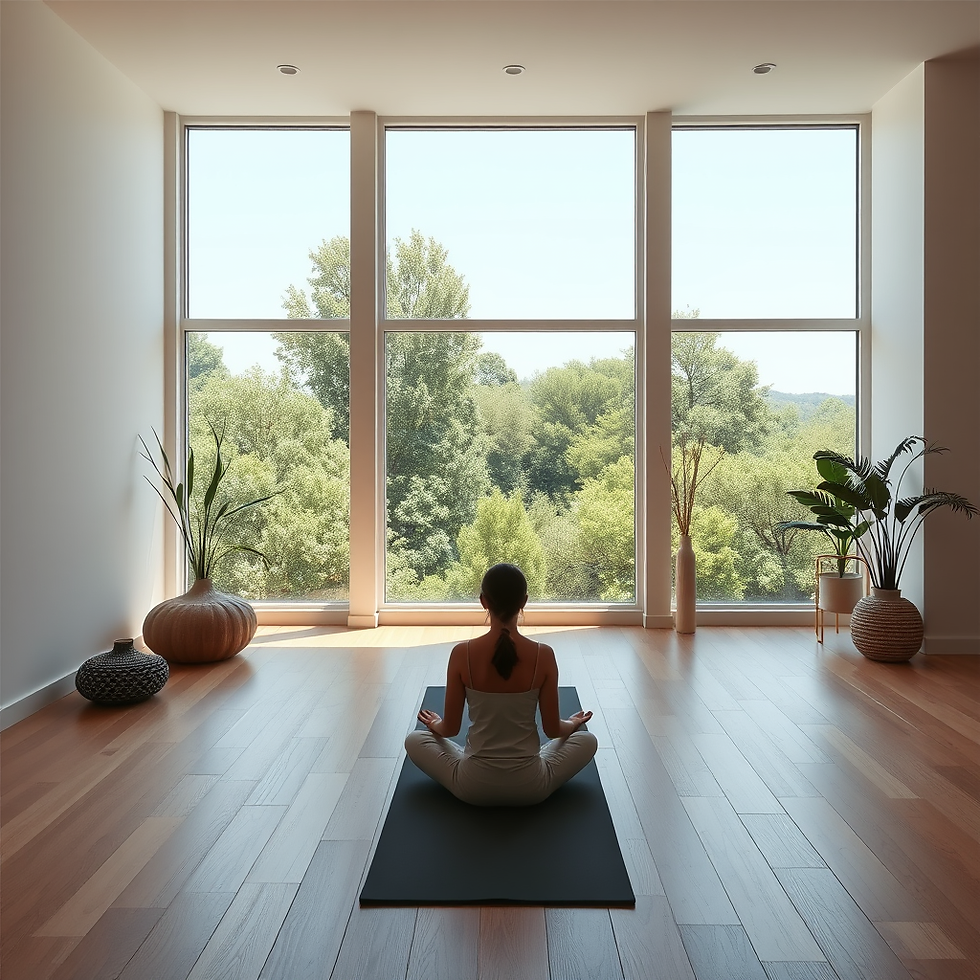
If mono-tasking is the practice, mindfulness is the anchor that holds it in place. Mindfulness is not a complex discipline; it is simply the open, non-judgemental awareness of the present moment.
When we practice mindfulness, we begin to notice the lesser interest that develops towards multitask, for example; the sudden rush to check a phone when a task becomes slightly dull or difficult. Rather than judging this impulse, we simply observe it, breathe, and guide our attention back to the breath, the page, or the step in front of us.

Mindfulness shifts our motivation from getting things done to being present while things happen. In doing so, it transforms everyday routines into quiet meditative moves:
The present moment is the only time over which we have any influence. When we inhabit it fully, work becomes a meditation, and rest becomes truly restorative.
Cultivating a Mono-Tasking Mindset
Transitioning to a slower, single-focused way of living doesn't require a 360 degree change of your entire life. It begins with small, deliberate choices throughout your day.
Create Intentional Transitions Before moving from one activity to another, pause for three conscious breaths. Let the previous task settle completely before inviting the next one in.
Single-Task One Routine Daily Select an everyday activity—washing the dishes, making your morning coffee, or walking to the train. Commit to doing this one activity with your complete, uninterrupted attention.
Design a Quieter Environment Calm in the mind is often supported by calm in our surroundings. Mute non-essential notifications, hide distracting icons, and create clean spaces that encourage sustained focus.
Forgive the Wandering Mind Your attention will drift—it is the nature of the mind to wander. When it does, gently acknowledge where it went and bring it back without frustration. The act of returning is the practice.
Returning Home to the Present
Living attentively in a world designed for distraction is a quiet act of rebellion. When you choose to mono-task, you reclaim your attention, your peace, and your time. You begin to discover that depth is far more satisfying than speed, and that a calm mind moves with far greater ease than a hurried one.

Today, grant yourself the permission to slow down. Whatever it is you are doing, let it be the only thing that matters for this singular, quiet moment.
Looking forward to read your thoughts in the comments.
Sending love,
Iresha Kariyawasam

Comments