
The Anti-Trend Home: Why Your Living Space Shouldn’t Look Like a TikTok Feed


Have you ever walked into your living room, looked around, and realised it feels less like yours and more like a background from an algorithmically curated social media feed?
It usually starts innocently enough. You save a photo of a pretty floor mirror, buy the red check throw blanket everyone seems to own, and pick up a set of ribbed glassware during a late-night scroll. But a few months later, the internet moves on to the next micro-trend, leaving your space feeling surprisingly dated, slightly boring , and suspiciously like a high-street showroom.
There is a quiet fatigue that comes from trying to keep pace with the internet's relentless aesthetic cycle. Somewhere along the line, we were subtly nudged into treating our homes like temporary stage sets rather than personal living spaces, swapping out decor as casually as we refresh a screen.
Choosing a "slow interior" is a gentle rebellion against that constant pressure. It’s about stepping off the fast-furniture rat race and choosing to curate a space with patience, intention, and genuine warmth. Your home shouldn't be a trend statement designed for an audience of strangers; it should be a living, breathing reflection of your life, and its ok to complete it with the second-hand market finds, mismatched tea mugs, and quiet memories that make a house truly feel like yours.

When we treat our living spaces like fast-fashion wardrobes, the hidden costs pile up far beyond the debit card receipt:
The Financial and Landfill Drain: Mass-produced, "fast furniture" and home decors relies on cheap composite woods and plastic materials engineered for the moment, not for decades. When the aesthetic shifts, these pieces don't age gracefully, they chip, peel, and end up in council skips. We end up spending twice as much replacing disposable items as we would have investing in a single, well-made vintage piece that stands the test of time.
The Homogenised Home: There is a subtle flattening of character happening in living rooms across the modern world. Shopping from the same handful of high-street outlets and buying identical mood boards and lamps to fill every corner. When every room is filled with mass-market carbon copies, our homes lose their texture, individuality, and soul.
The Psychological Toll: Perhaps the heaviest cost is the perpetual sense of inadequacy that these micro-trends create over time. Treating a home as a revolving stage set means it is never truly finished. Instead of walking through the front door and feeling a deep exhale of calm, we look around and see a list of things that need updating to match an external standard.

Stepping back allows us to see these trends for what they are: manufactured urgency designed to keep us consuming. Once that spell breaks, the question shifts from "Is this on-trend?" to "Will I still love this when the internet stops talking about it?"
A slow interior isn’t defined by a rigid aesthetic or a specific color palette. Instead, it is an approach built on patience, texture, and personal meaning. To move away from impulse buying and build a space with lasting calm, focus on three foundational pillars:
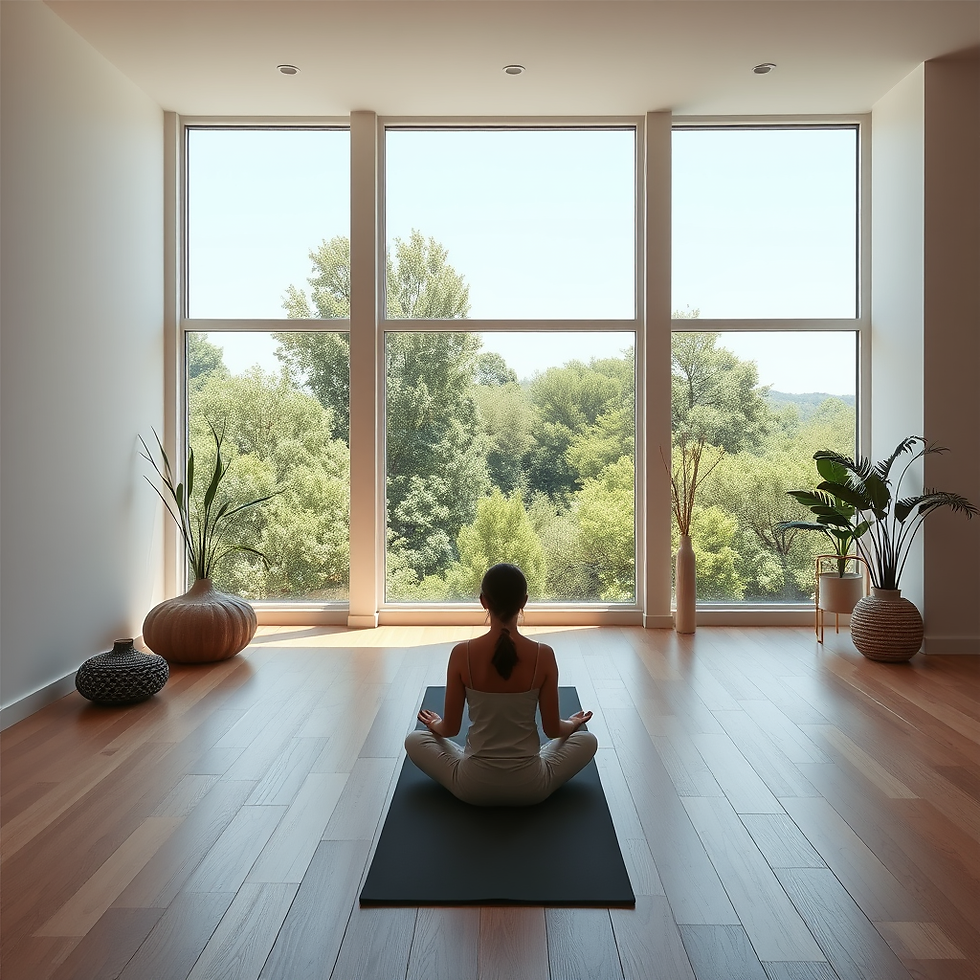
Curating Over Decorating: Decorating often implies filling a room all at once to achieve a finished look. Curating, by contrast, requires patience. It means leaving a corner empty or an alcove bare until you find the right piece—whether that takes three weeks or two years. Embracing empty space allows a room to breathe and evolve naturally alongside your life.
Texture and Materials Over Clutter: Warmth and comfort rarely come from filling surfaces with small decorative trinkets. They come from tactile, natural materials that age gracefully over time, linen that softens with every wash, solid wood with visible grain, and hand-thrown ceramics. Layering these honest textures creates depth without visual noise.

Objects with Story and Provenance: A home feels deeply grounded when the items within it hold memories rather than just market value. Second-hand market finds, inherited family pieces, travel keepsakes, and work by local artisans carry a distinct energy that mass-manufactured items simply cannot replicate. These pieces give a space its soul and ensure no two rooms ever look the same.

Transitioning to a slow interior doesn’t require clearing out your house and starting from scratch—in fact, that defeats the point entirely. It is a gentle, iterative process of editing, reflecting, and slowing your pace.
Step 1: Implement the "30-Day Pause": Before buying any non-essential decor item, write it down and wait 30 days. Most trend-driven impulses fade within two weeks. If you are still thinking about the piece a month later, and can clearly visualize where it fits into your daily routine, it is likely a considered addition rather than an algorithmic craving.
Step 2: "Shop" Your Own Home First: Before searching online shops or high-street stores, spend an afternoon moving items between rooms. A ceramic bowl from the kitchen might serve as a keyholder in the hallway; a linen throw tucked away in a bedroom cupboard could bring fresh warmth to your living room sofa. Rearranging existing possessions breaks visual fatigue without spending a penny.
Step 3: Edit and Unclutter Before Adding: Slow interiors rely on breathing room. Clear off coffee tables, window sills, and mantelpieces entirely. Re-introduce only the items that serve a clear function or bring genuine joy, allowing generous empty space around them. Donate or sell mass-produced items that no longer align with your style.
Step 4: Prioritise High-Touch Anchors: When you do decide to spend money, allocate your budget toward the foundational pieces you interact with every single day—a supportive sofa, a solid dining table, or pure linen bedding. Investing in quality for these core "anchors" means they will last for decades, freeing you from the constant cycle of cheap replacements.
Step 5: Turn to Second-Hand and Local Sources: Make vintage markets, charity shops, online resale platforms, and local craft fairs your primary places to shop. Sourcing second-hand not only keeps furniture out of landfills and reduces demand for new manufacturing, but it also guarantees your home will be filled with unique pieces that carry history and character.

At its core value, a slow interior is not about creating a picture-perfect showroom to impress guests or gain approval online. It is about reclaiming your home as a quiet , individual living space, a personal haeven that supports your well-being, honours your values, and reflects the true rhythm of your life.
Stepping away from the churn of micro-trends takes practice, but the reward is a living space that feels deeply restorative, effortlessly characterful, and uniquely your own. When you stop decorating for the algorithm, your home finally has room to breathe and so do you.
Over to You
Look around your living space today. What is one item in your home that brings you genuine joy, not because it was trending, but because of the story, memory, or feeling attached to it?
I’d love to hear about your favourite second-hand finds, inherited pieces, or slow-decorating journeys in the comments below.
Sending love,
Iresha Kariyawasam

Akkage article and vedio balala mama minimalism gana danagatta dawase Indian mata danenna gatta ma inna gedara mage wela kiyanna feeling eka. But mata thawath eka gana danaganna oni
Me dewal kiyala Dena akkata godak pin. Me Maya onima dewal oya katha karanne. Still I didn't read this article. But I want to say thanks. Sometimes I am unable to write a comment because I am busy with my baby. So I decided to write a comment. Thank you very much.
Thank you soo much mage Akki ♥️