
Digital fatigue is real : 5 micro habits to heal your overstimulated brain

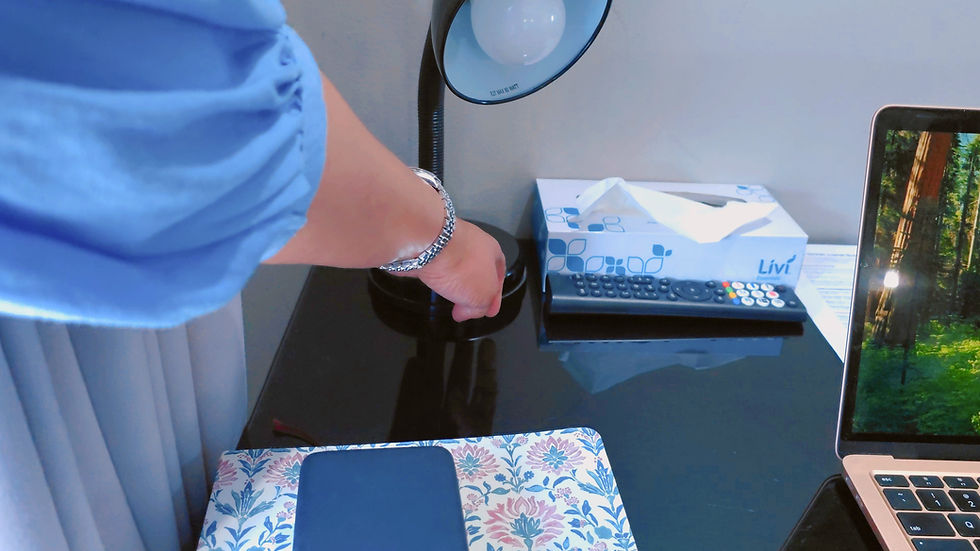
Have you ever caught yourself staring at a screen, three tabs open, a video playing in the background, and realized you haven’t taken a deep, clear breath in hours?
You’re not alone, and you’re certainly not broken. That heavy, foggy sensation behind your eyes isn't just end-of-day tiredness—it’s digital fatigue.
Every notification, endless scroll, and sudden ping sends a tiny jolt through our nervous systems. Over time, our minds get so overloaded with micro-stimuli that even moments of stillness start to feel unsettling. We’ve traded quiet presence for constant connectivity, and our brains are quietly paying the price.
The good news? Healing an overstimulated mind doesn’t require throwing your smartphone into the sea or retreating to a off-grid cabin in the woods (tempting as that sounds).
Instead, true digital wellness is built on small, intentional shifts, gentle pauses woven into the fabric of your ordinary days.
Here are 5 simple micro-habits to help you dial down the noise, nourish your nervous system, and reclaim a little piece of calm in a hyper-connected world.


1. The First Hour of your day re set:
Resist reaching for your phone the second your eyes open. When we immediately check emails or social media in bed, we flood our waking brains with high-friction inputs, triggering an instant spike in stress hormones like cortisol.
The Practice:
Spend the first 30 to 60 minutes of your morning entirely screen-free. Let your senses wake up to the quiet textures of real life: the sound of a boiling kettle, the cool air through an open window, or the gentle warmth of a mug of tea in your hands. Allow your mind to ground itself in reality before inviting the rest of the world inside.

2. 'Single-Tasking' Tea and Coffee Breaks
How often do you step away from your desk for a break, only to pull out your phone and keep scrolling? True rest requires actual rest—not swapping work inputs for casual digital inputs.

The Practice:
When you step away to brew a cup of tea or coffee, leave your phone behind. Spend those five minutes simply watching the steam rise, stretching your fingers, or looking out at the garden. By pairing a drink break with total presence, you teach your nervous system that non-productivity is safe, giving your mind a necessary moment of genuine breathing room.
3. The 'Soft Gaze' Horizon Reset

Staring at flat screens fixed a mere twenty inches from our faces forces our eye muscles into constant, tight focus. In human biology, close-range focal framing signals vigilance and alertness to the nervous system, keeping us subtly on edge.
The Practice:

Every hour, step up to a window or step outside for just two minutes. Lift your eyes and look out toward the furthest point on the horizon—a distant treeline, passing clouds, or the tops of rooftops. Let your focus widen and soften. Shifting to panoramic vision physically signals your parasympathetic nervous system that it is safe to unwind.
4. Setting a 'Digital Sundown'

The transition into evening should feel like a slow, cozy unwinding, yet light from modern screens tricks the brain into thinking it’s still midday. This disrupts melatonin production and keeps our minds racing long after we lie down.
The Practice:

Set a gentle alarm two hours before bed as your cue to place your devices on "Do Not Disturb" in another room. Create an evening ritual using warm, low lighting and low-stimulation activities: reading a physical book, listening to soft music, or writing a few reflective thoughts in a paper journal.
5. Creating 'Tech-Free zone' at Home

When every room in your home is a potential workspace or scrolling hub, your brain never gets the environmental cue to relax. You live in a state of quiet anticipating—waiting for the next ping or phantom notification.
The Practice:

Declare one or two physical areas of your home entirely device-free. The dining table and the bedroom are ideal places to start. Keeping technology out of these areas restores them as genuine places of refuge, allowing you to cultivate richer conversations, deeper sleep, and an enduring sense of home peace.
Final Thoughts:

Returning to a Simpler Rhythm
Slowness isn't about doing everything at a crawl; it’s about doing things with intention. You don't need to implement all five of these habits overnight. Pick just one that resonates with you today, start small, and notice how your nervous system responds.
In a world that constantly demands your attention, taking back control of your time and mental space is the ultimate form of self-care.

As always I am waiting to read your comments here.
Sending love,
Iresha Kariyawasam



Comments